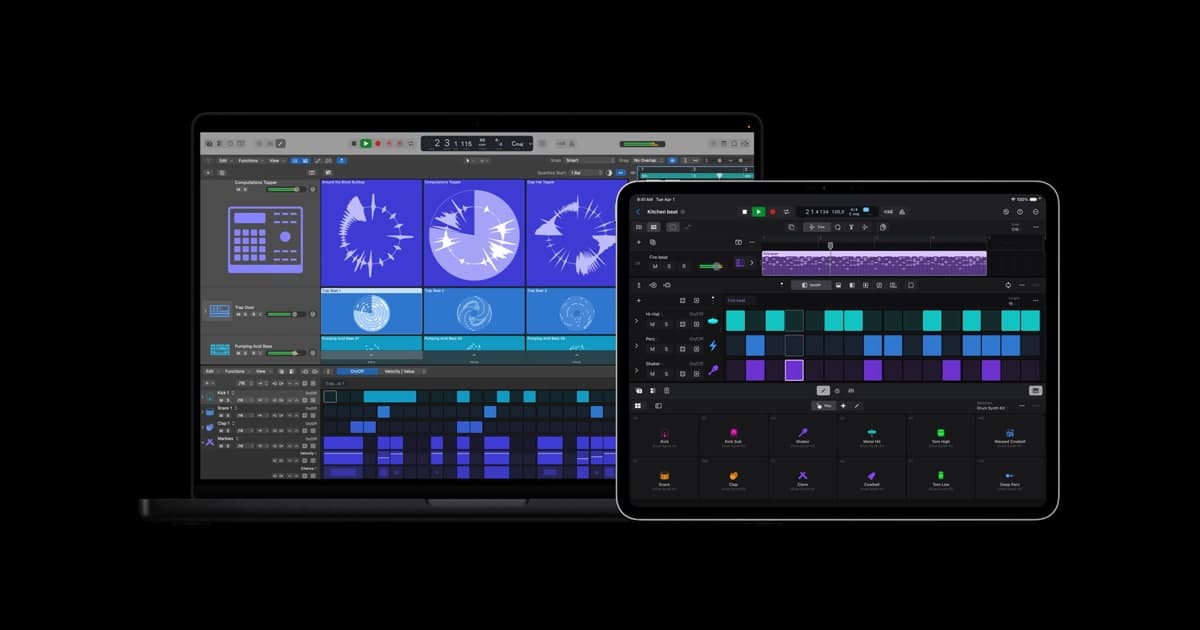
Top 5Has said they use
Apple
Logic Pro“Logic seems to do a bit of everything really well, which suits the way we work.”
Said in Basement Jaxx: The Computer Music Interview (MusicRadar), March 2025

Photo: Nakul498 (Wikimedia Commons) · CC BY-SA 3.0
Basement Jaxx have said their records are made mostly in Logic, with Omnisphere as their main soft synth and Kontakt for piano and strings. Simon Ratcliffe has also named a Juno-106, Moog Voyager, Prophet 6, Korg MS-20, Memorymoog and an SSL AWS 900 desk in their studio.
truerecs may earn from links on this page.
“Logic seems to do a bit of everything really well, which suits the way we work.”
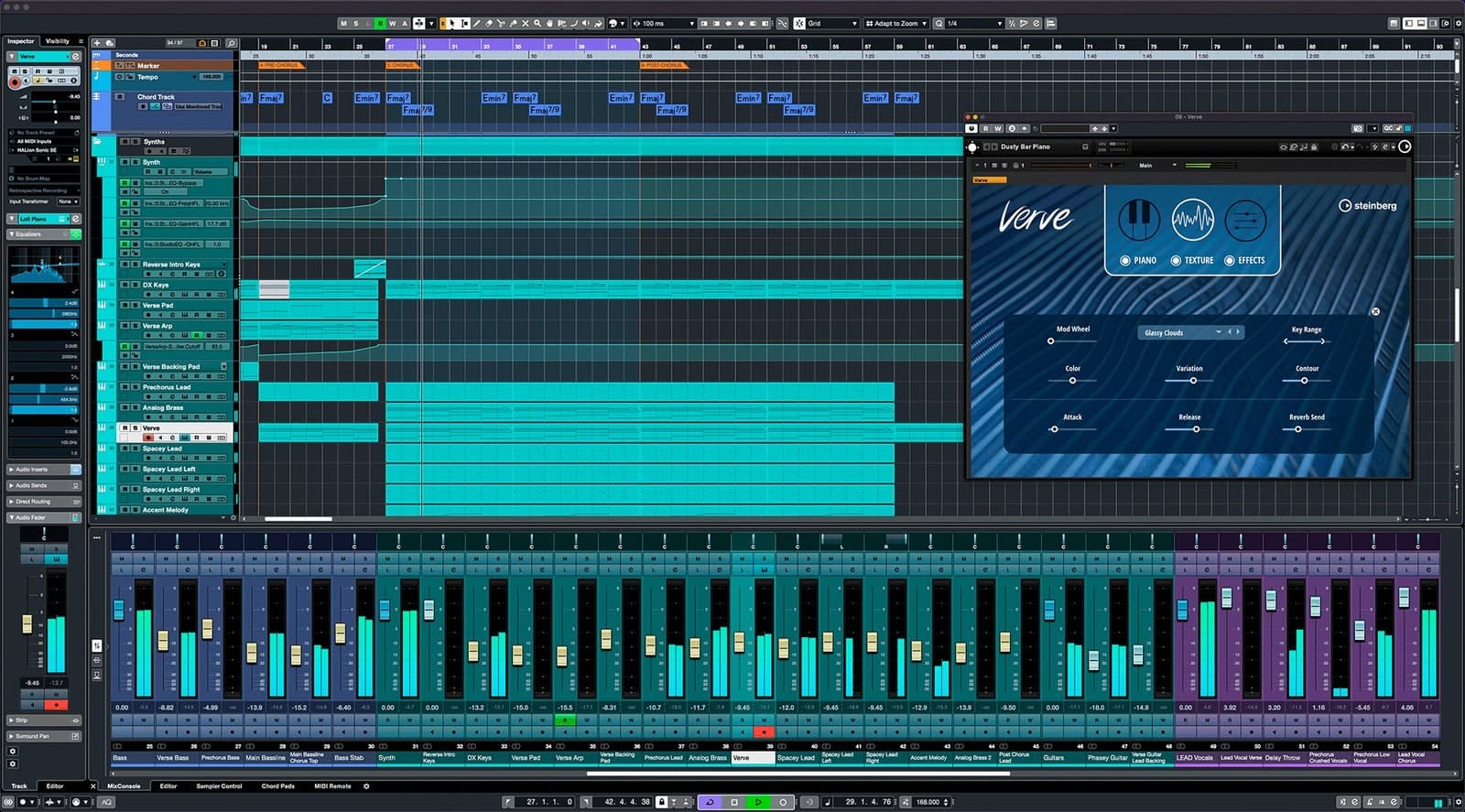
“Me and Felix had been working with the Atari and Cubase since the very earliest days of Basement Jaxx, and we thought it was brilliant.”
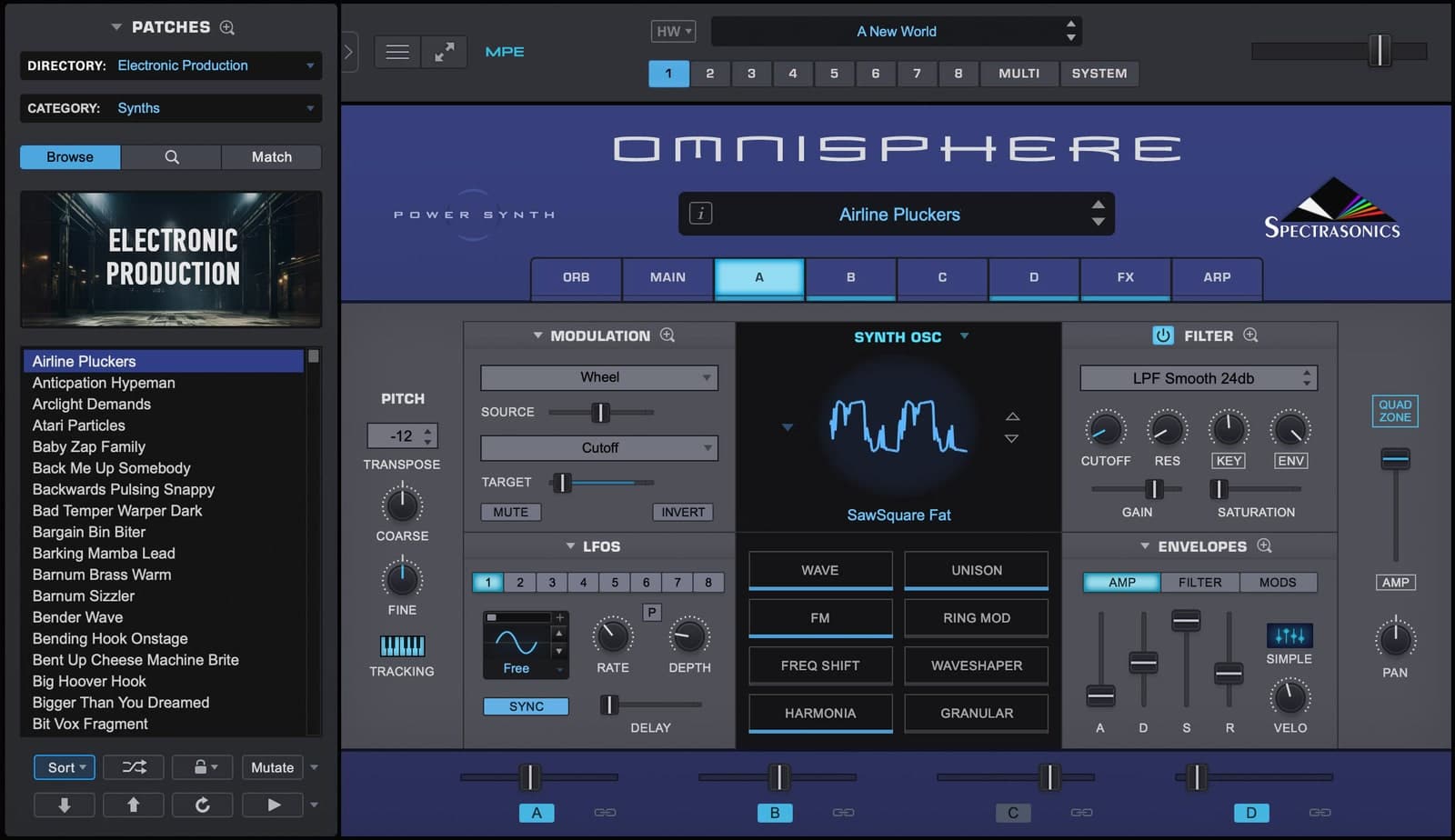
“We have been using the Omnisphere a lot just lately. That’s probably our main synth”
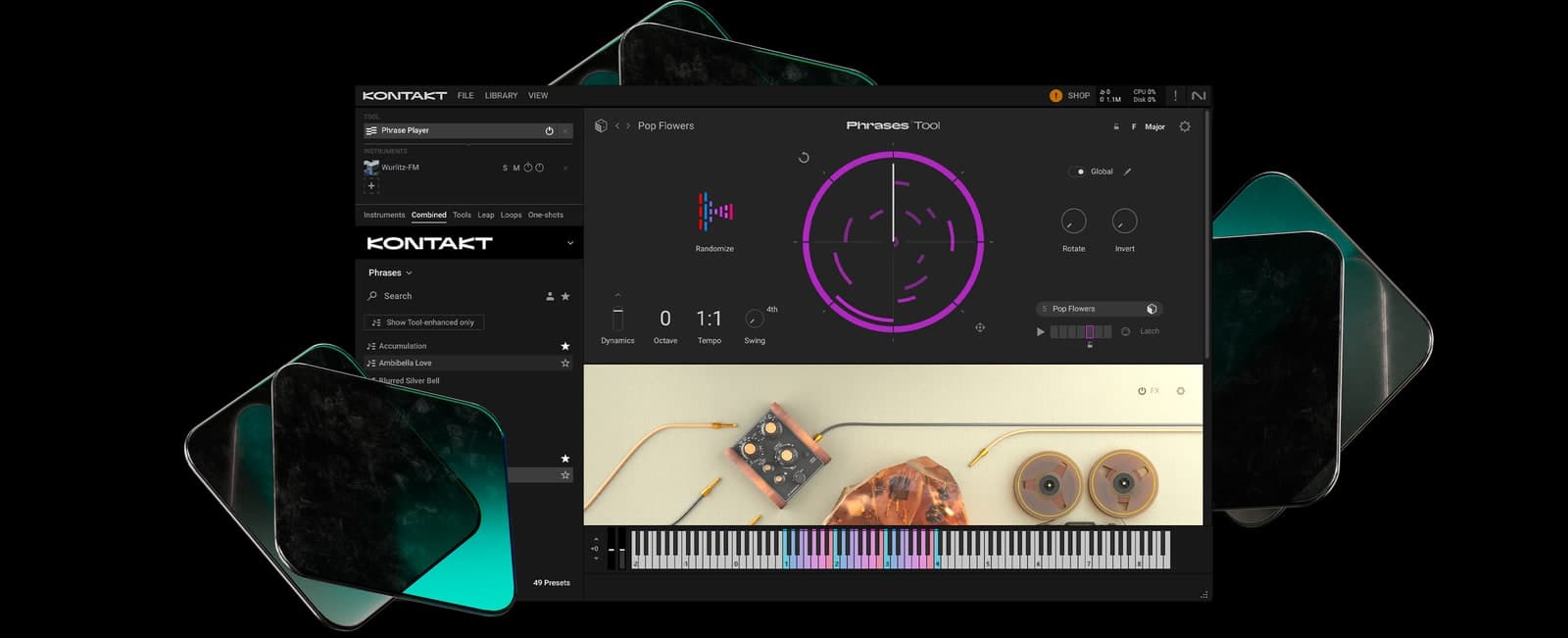
“and the Native Instruments set, of course, with Kontakt for piano and strings.”
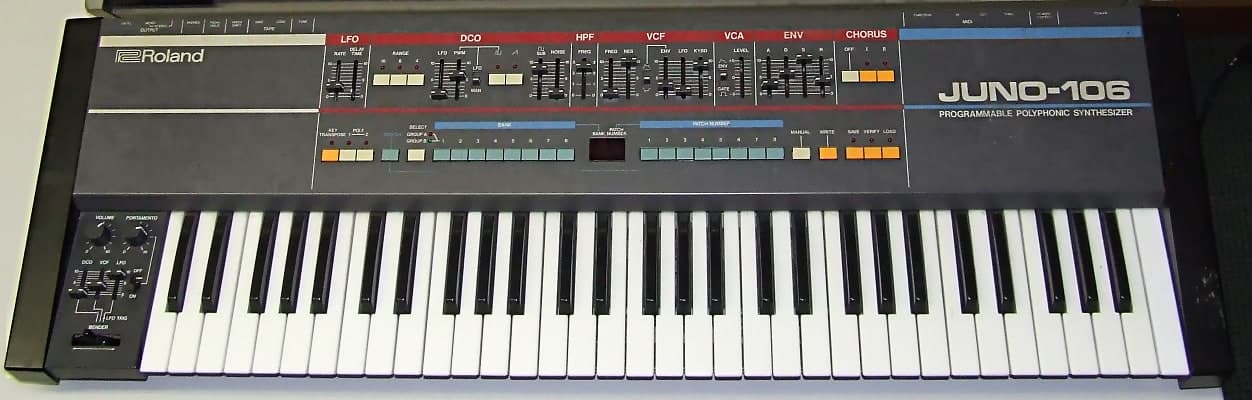
“We started using a Juno-106 keyboard again, which is nice.”
Independent research by truerecs: every item links to the public source it comes from.
“Logic seems to do a bit of everything really well, which suits the way we work.”
“Me and Felix had been working with the Atari and Cubase since the very earliest days of Basement Jaxx, and we thought it was brilliant.”
“We have been using the Omnisphere a lot just lately. That’s probably our main synth”
“and the Native Instruments set, of course, with Kontakt for piano and strings.”
“Obviously, you don’t actually ‘need’ any desk in the studio these days, but we both prefer to have some faders and EQ knobs to play around with.”
“We started using a Juno-106 keyboard again, which is nice.”
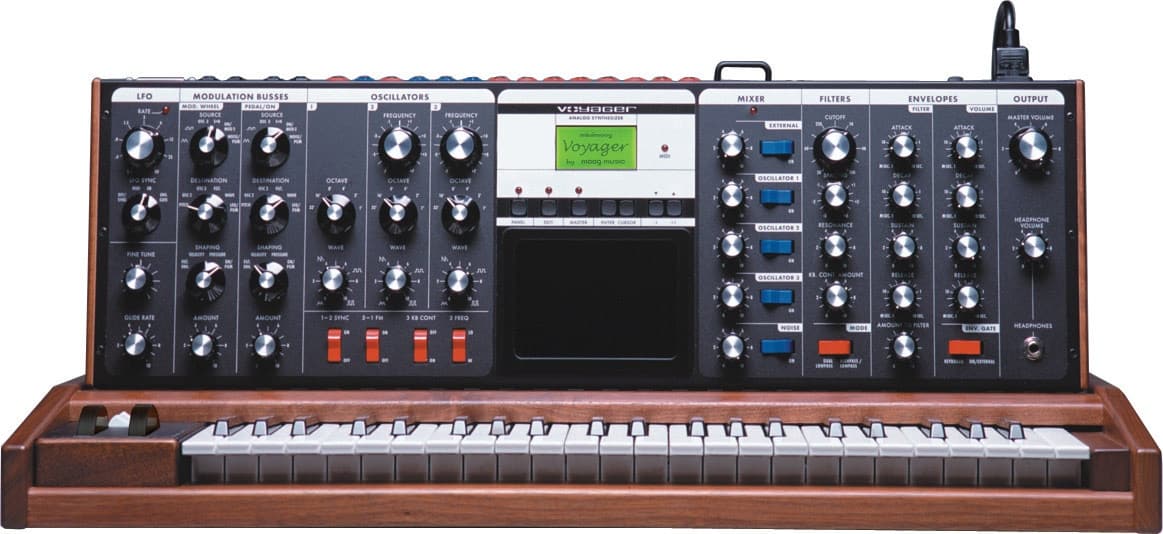
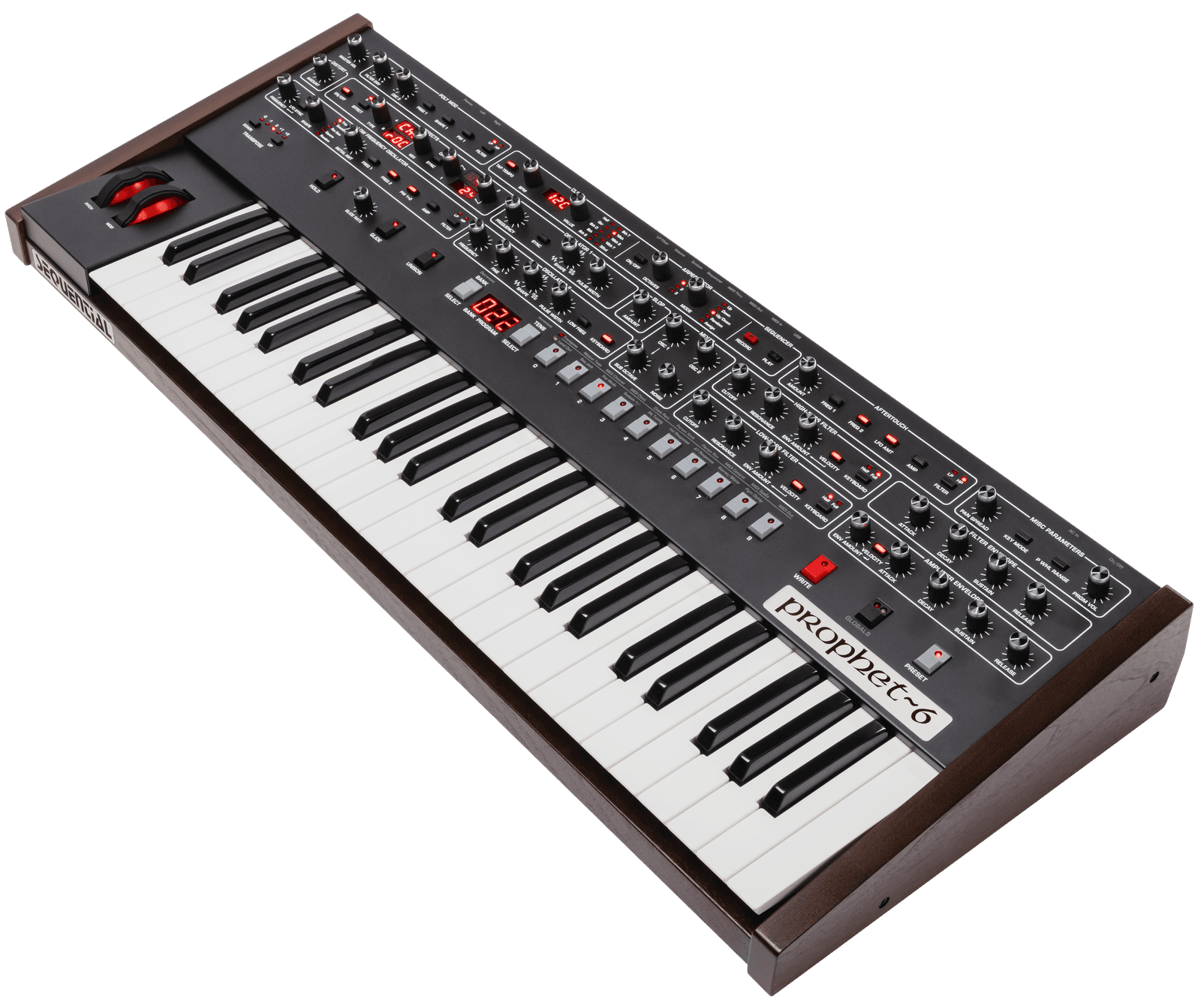
“We also used an old Moog Voyager, a Prophet 6 and the Korg EMX2, but most of it is done in the box, using Logic.”
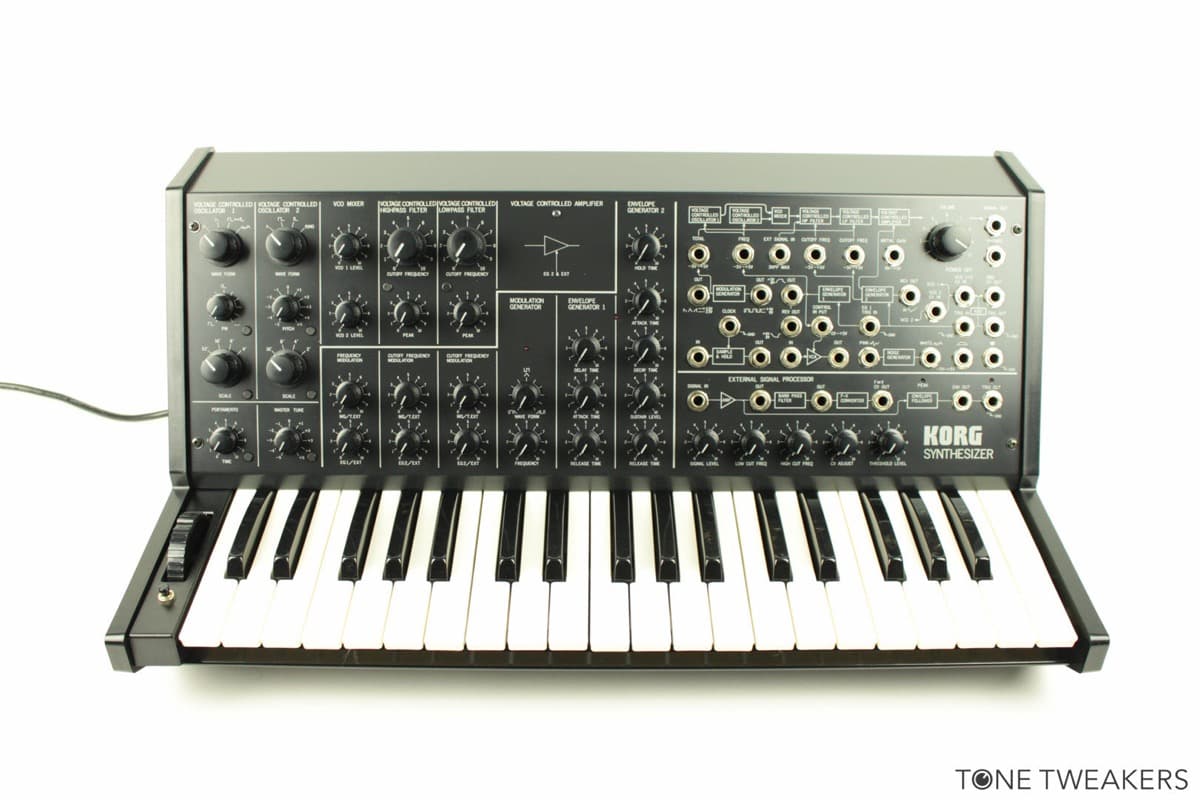
“Then there are some nice outboard bits and pieces like the Juno, the Korg MS-20, the Memorymoog, the Moog Voyager…”

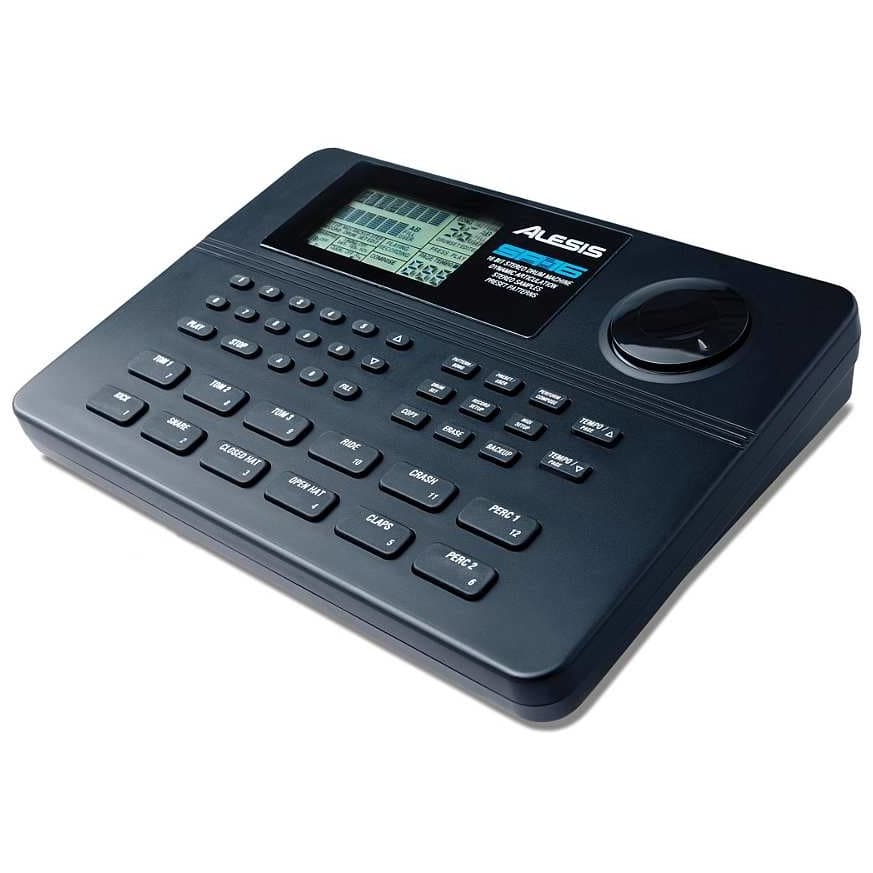
“I’ve still got the Alesis, and it was used on some of the early Jaxx tracks.”
“It was a Soundcraft Spirit 24-track desk and there was plenty of space to get ahold of the EQ knobs.”
“That was like having a 24-track studio as far as I was concerned.”
“Mozart has always filled me with happiness.”

“This, to me, is a punk record.”
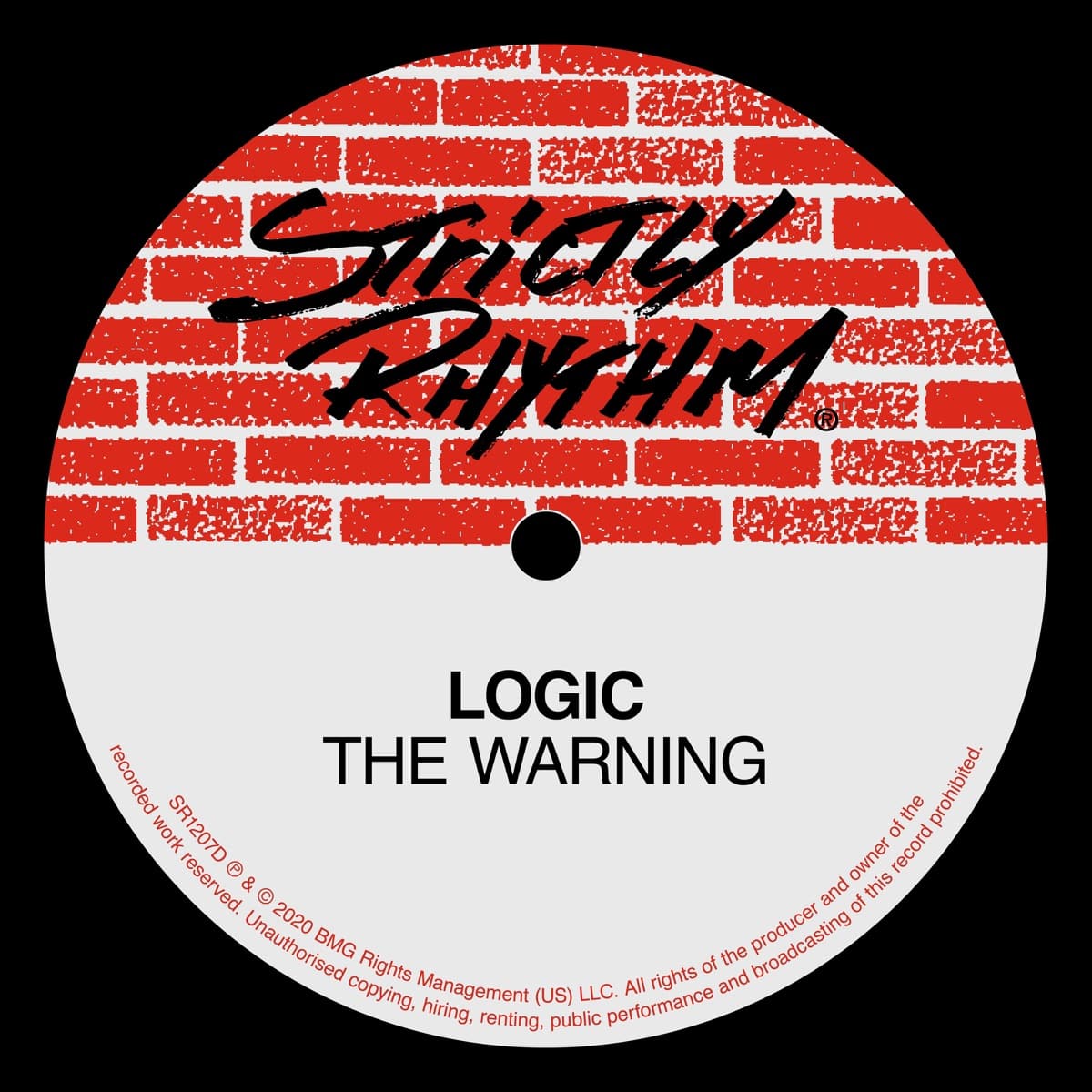
“When I was a student, I would listen to this over and over again.”
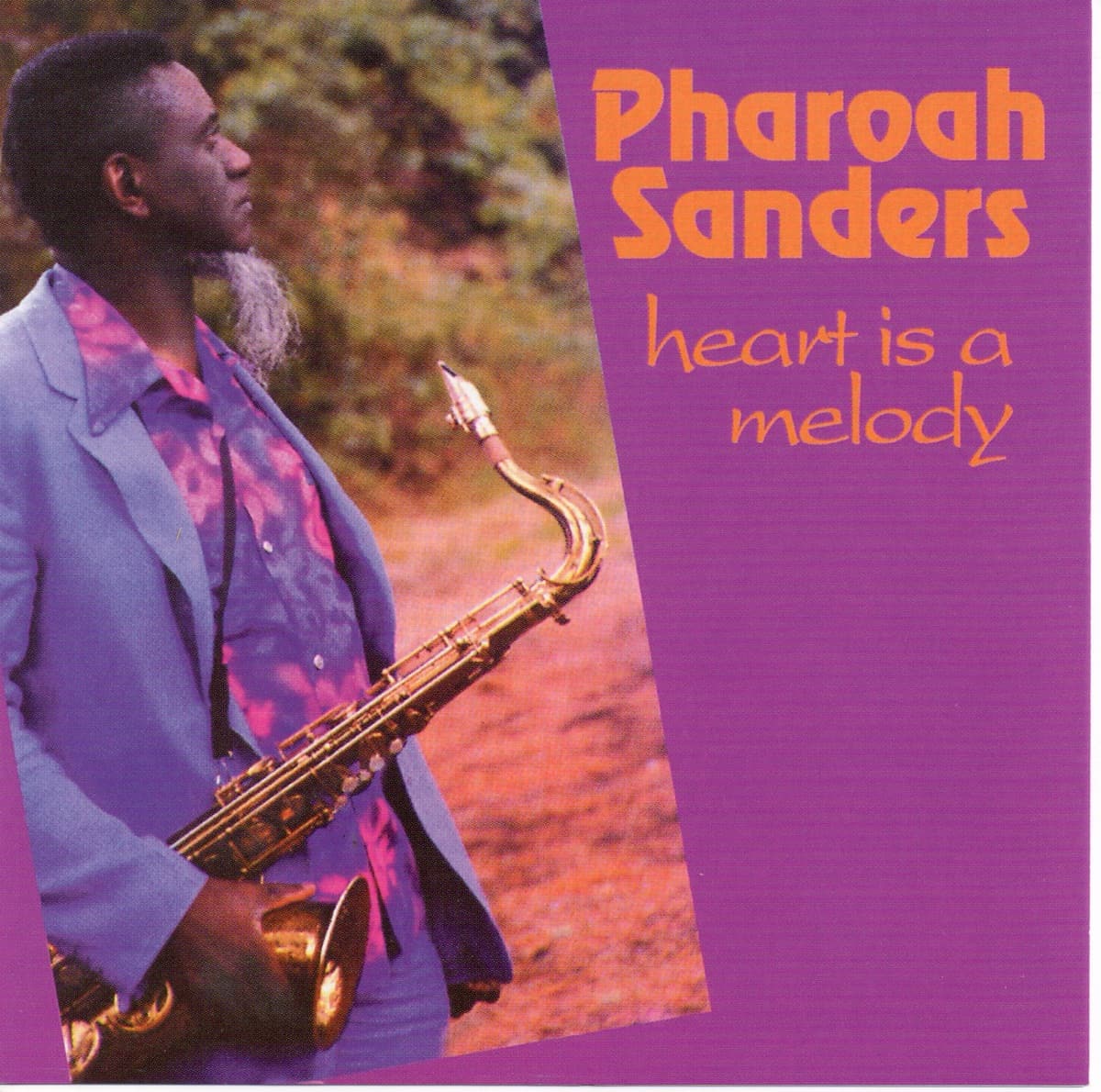
“I’ve probably seen him eight times, so I’m a fan”
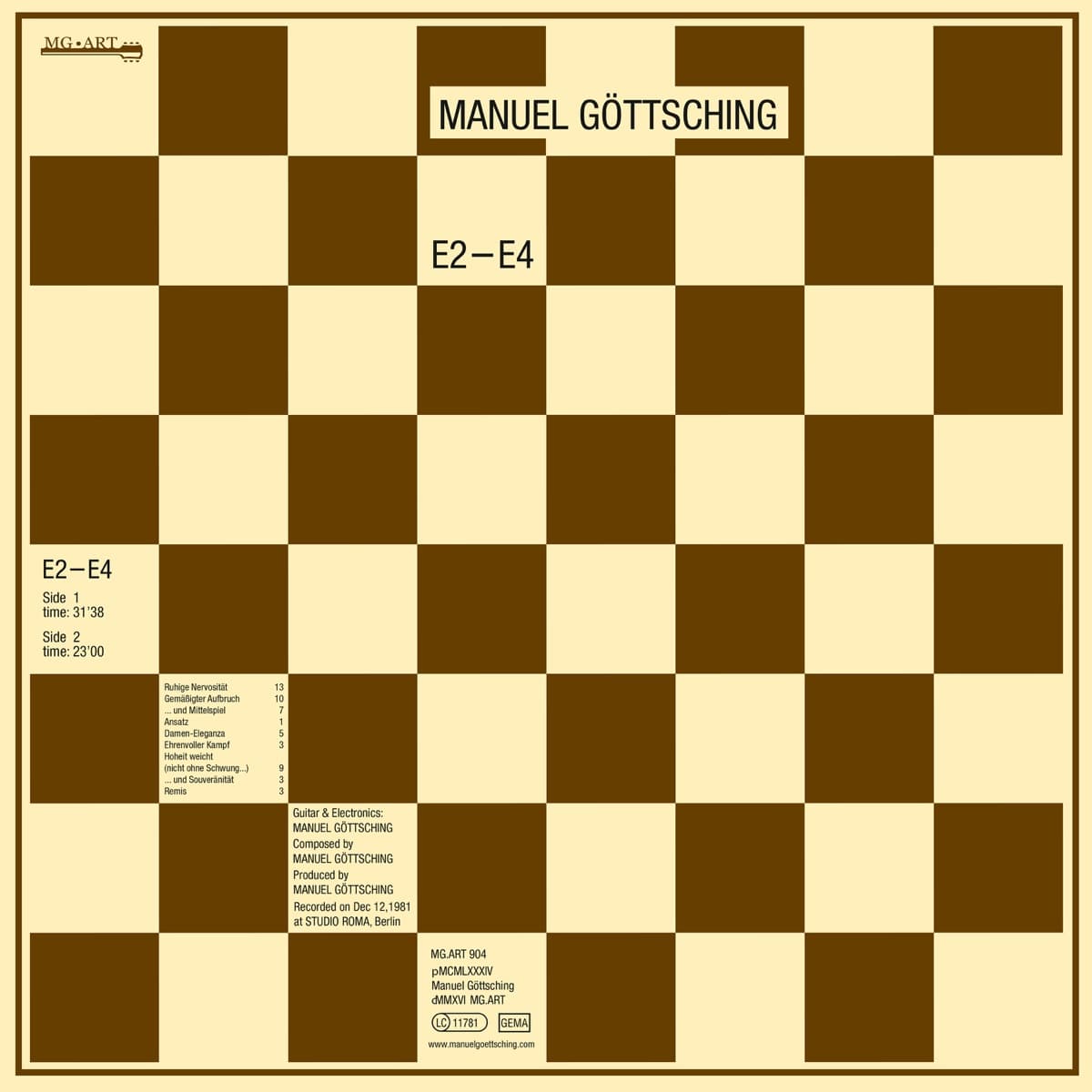
“I’ve played it a lot over the years, and I’ll probably end up playing thousands of times. It’s always in my car.”

“I think the first dance tune that caught my attention was Althea & Donna’s Uptown Top Ranking.”

“And, of course, there was Blue Monday by New Order in 1983.”
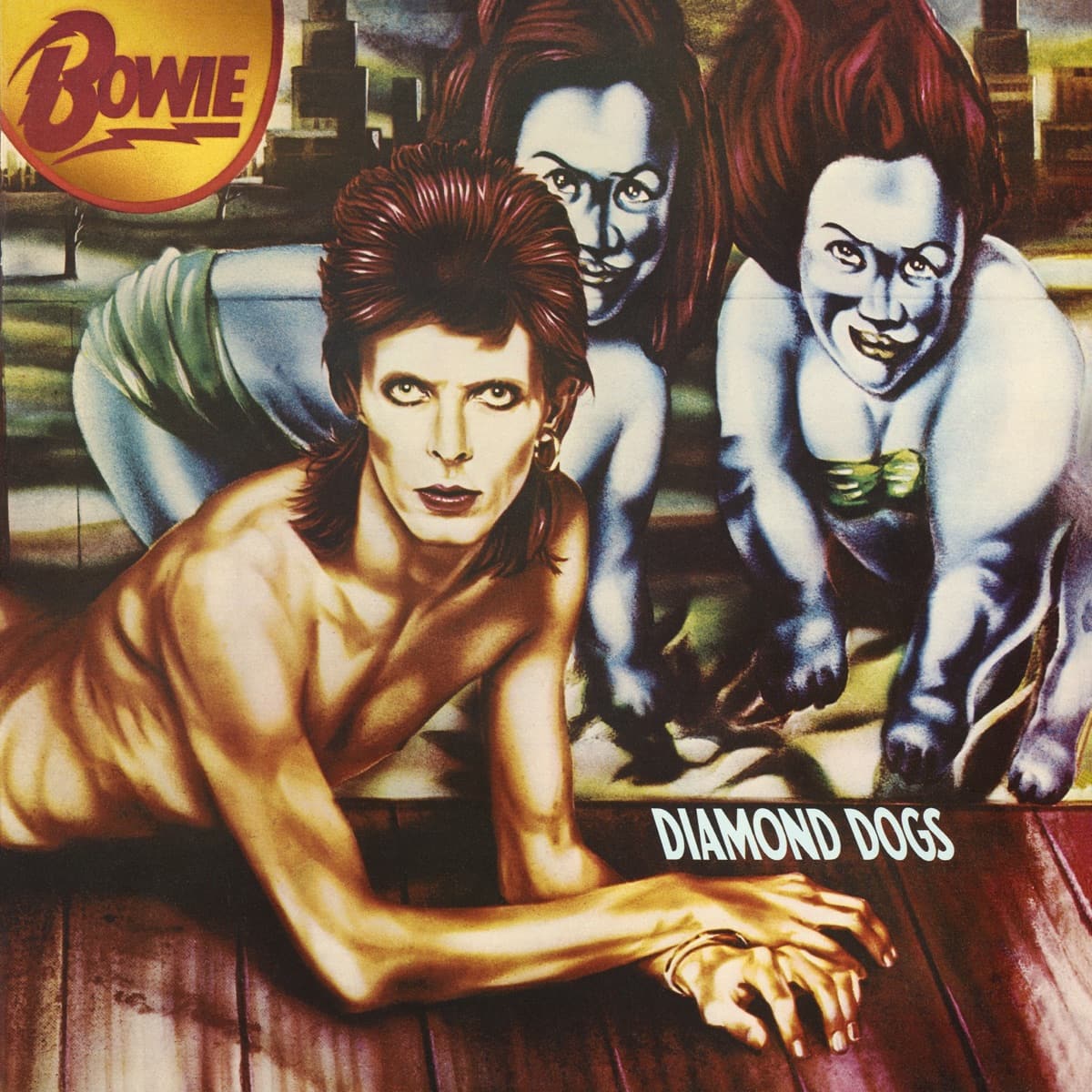
“I subsequently ended up loving David Bowie as well, just because of that.”
Logic. Simon Ratcliffe has said they moved to Logic around Kish Kash in 2003, after years of working on an Atari with Cubase, and that most of Junto was done in the box in Logic.
Ratcliffe told Computer Music that Omnisphere was probably their main synth, alongside the Native Instruments set with Kontakt for piano and strings.
Ratcliffe has named a Roland Juno-106, a Moog Voyager, a Prophet 6, a Korg MS-20 and a Memorymoog, plus a Korg EMX2 on the album Junto.
An SSL AWS 900 in their King's Cross studio. Ratcliffe has said early tracks like Fly Life were shaped live on a Soundcraft Spirit 24-track desk.
For Clash he picked Mozart's Confutatis, Shy FX and UK Apache's Original Nuttah, Logic's The Warning, Pharoah Sanders' Ole and Manuel Gottsching's E2-E4.





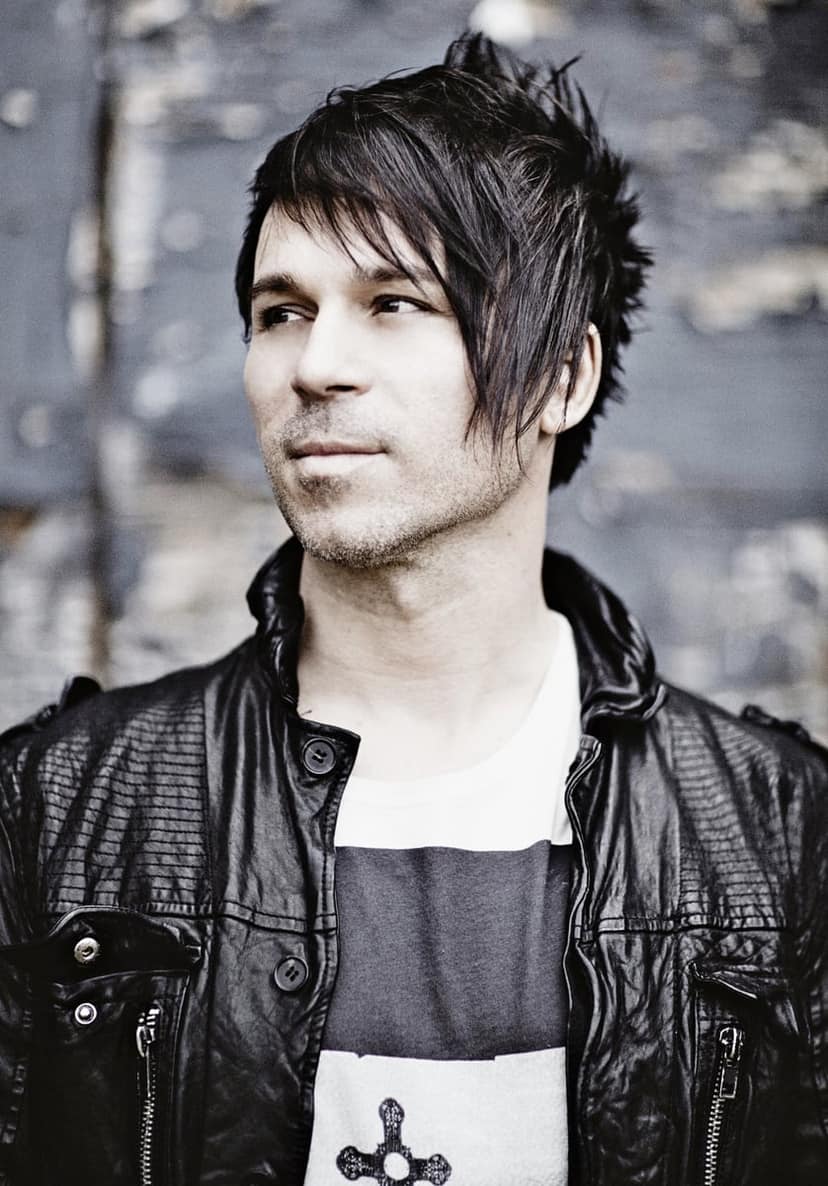
Basement Jaxx are the London house duo of Felix Buxton and Simon Ratcliffe, behind Red Alert, Romeo and Where's Your Head At. This guide covers the DAW, soft synths, hardware and desks they have named, plus records that shaped them.
truerecs put this guide together from public videos, interviews and posts. Each item says how we know and links to the source. Basement Jaxx didn't write it or choose anything on it. How we source gear guides.
Report an error or ask for removal. We fix or remove within 72 hours. You don't need to sign up.
Claim this page to make it yours: verify with your Instagram, TikTok or YouTube, keep what's right, drop what isn't, and add your own.
Claim this page

